

When Should I See a High Blood Pressure Doctor in River Oaks, TX?
High blood pressure, or hypertension, is a condition where the force of blood against the artery walls is consistently too high. If left untreated, it can lead to serious health issues such as heart disease, stroke, and kidney damage. Regular monitoring, lifestyle changes, and medication can help manage high blood pressure and reduce the risk of complications. Dr. Shabnam Qasim, MD, a Board-certified physician, and our team of experienced nurse practitioners at We Care Clinic in River Oaks, TX, offer personalized care in managing hypertension, ensuring long-term health and well-being. For more information, contact us or schedule an appointment online. We are conveniently located at 1011 Roberts Cut Off Rd, River Oaks, TX 76114.
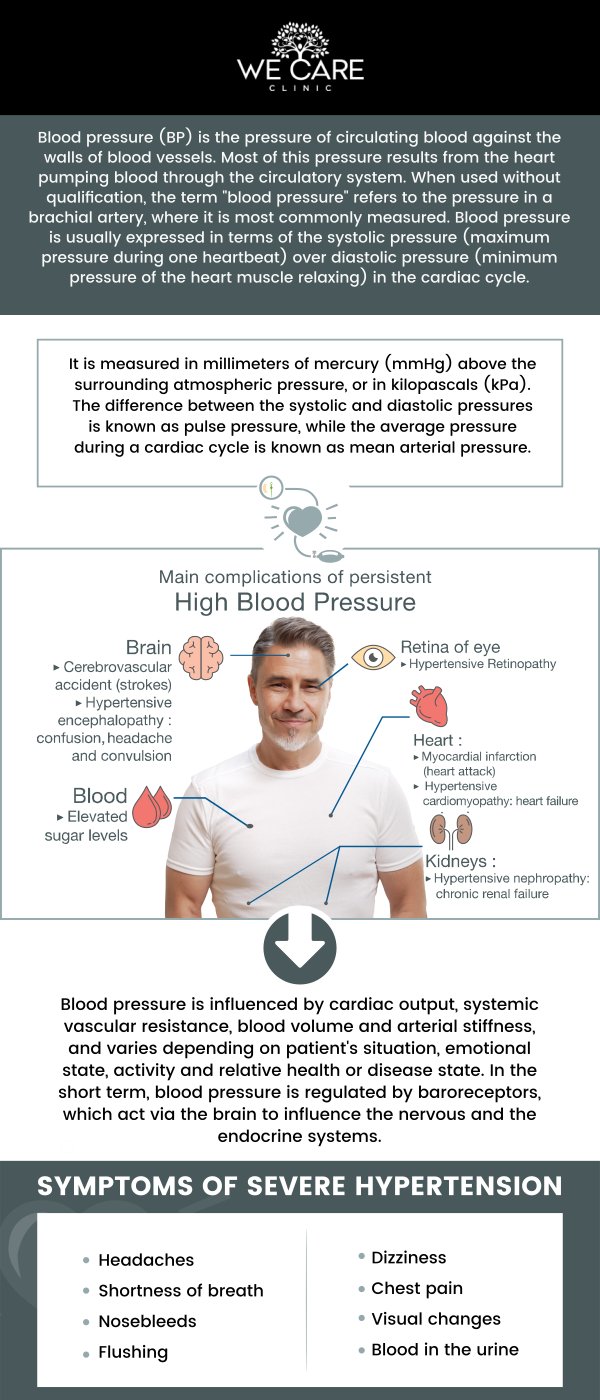
Table of Contents:
What are the symptoms of high blood pressure?
What causes high blood pressure?
What is considered high blood pressure?
What are the risks of untreated high blood pressure?
High Blood Pressure Treatment with Dr. Shabnam Qasim, MD at We Care Clinic in River Oaks, TX
High blood pressure, or hypertension, is often referred to as a “silent killer” because it typically has no obvious symptoms. Most people with high blood pressure don’t feel any different and may not know they have it until it’s measured during a routine check-up or when complications arise. For this reason, it’s important to regularly monitor your blood pressure, especially if you’re at risk for hypertension.
In rare cases, when blood pressure becomes dangerously high, symptoms may appear, including severe headaches, dizziness, shortness of breath, chest pain, or nosebleeds. These signs can indicate a hypertensive crisis, which requires immediate medical attention. However, by the time symptoms occur, significant damage to the heart, blood vessels, and organs may already have occurred.
Chronic high blood pressure can also lead to subtle signs over time, including fatigue or an overall feeling of weakness. People with untreated hypertension may also experience difficulty concentrating, blurred vision, or a racing heartbeat. However, these symptoms are not always present, and many individuals with high blood pressure don’t realize they’re at risk until it’s too late.
It’s important to be aware of your blood pressure, especially if you have risk factors such as obesity, a family history of high blood pressure, a sedentary lifestyle, or a high-salt diet. Routine visits to your healthcare provider are crucial for the early identification and management of high blood pressure, helping to prevent serious issues like heart disease, stroke, or kidney damage.
High blood pressure can develop due to a variety of factors, which can be categorized as either primary (essential) hypertension or secondary hypertension. Primary hypertension, the most common form, develops over many years and is influenced by a combination of genetic and lifestyle factors. Secondary hypertension results from an underlying health condition or medication and typically develops more quickly, often leading to higher blood pressure levels than primary hypertension.
The main factors contributing to primary hypertension include:
• Age: Blood pressure tends to rise as you get older. Both systolic and diastolic blood pressure increase with age, particularly after 45 years.
• Family History: Hypertension tends to run in families, suggesting that genetic factors can influence the development of high blood pressure.
• Obesity: Excess weight puts added strain on the heart and blood vessels, increasing the likelihood of developing high blood pressure.
• Physical Inactivity: A sedentary lifestyle contributes to weight gain and poor cardiovascular health, both of which can lead to hypertension.
• Diet: A diet high in sodium (salt), low in potassium, and rich in unhealthy fats can raise blood pressure. Excessive alcohol consumption can also contribute to hypertension.
• Stress: Long-term stress can increase blood pressure by causing temporary spikes in blood pressure and leading to unhealthy coping mechanisms.
Secondary hypertension is typically caused by another medical condition, such as kidney disease, hormonal disorders, or sleep apnea. Medications like birth control pills, decongestants, and pain relievers can also raise blood pressure. Identifying and addressing the underlying cause is key to managing secondary hypertension.
Blood pressure is measured in millimeters of mercury (mmHg) and consists of two numbers: systolic (the top number) and diastolic (the bottom number). The systolic pressure measures the force of blood against the walls of the arteries when the heart beats, while the diastolic pressure measures this force when the heart is at rest between beats.
According to the American Heart Association (AHA), normal blood pressure is considered to be below 120/80 mmHg. When blood pressure readings consistently fall into higher ranges, it’s considered high blood pressure. Here are the categories for blood pressure readings:
• Normal: Less than 120/80 mmHg.
• Elevated: Systolic between 120-129 mmHg and diastolic less than 80 mmHg.
• Hypertension Stage 1: Systolic between 130-139 mmHg or diastolic between 80-89 mmHg.
• Hypertension Stage 2: Systolic of 140 mmHg or higher or diastolic of 90 mmHg or higher.
• Hypertensive Crisis: Systolic over 180 mmHg and/or diastolic over 120 mmHg. This requires immediate medical attention.
Stage 1 and 2 hypertension typically require lifestyle changes and medication, while a hypertensive crisis can lead to severe complications, such as stroke or heart attack, and requires emergency care.
If you have readings consistently in the elevated range or higher, it’s important to consult with a healthcare provider for proper diagnosis and treatment. Managing high blood pressure can help reduce the risk of long-term complications like heart disease, kidney failure, and vision problems.
Untreated high blood pressure, or hypertension, can lead to serious and potentially life-threatening complications. The longer high blood pressure goes untreated, the greater the risk of developing complications that can affect multiple organ systems. Some of the risks of untreated high blood pressure include:
• Heart Disease: High blood pressure is a leading cause of heart disease, including coronary artery disease, heart failure, and heart attacks. The increased pressure on the heart and blood vessels can lead to damage over time, causing the heart to weaken or enlarge.
• Stroke: Hypertension can cause the blood vessels in the brain to rupture or become clogged, increasing the risk of a stroke. The increased pressure on the arteries can damage blood vessel walls, making them more susceptible to rupture or blockage.
• Kidney Damage: The kidneys depend on properly functioning blood vessels to effectively filter waste from the bloodstream. High blood pressure can damage these blood vessels, leading to kidney disease or even kidney failure in severe cases.
• Vision Loss: High blood pressure can cause damage to the blood vessels in the eyes, leading to a condition called hypertensive retinopathy. This can result in blurred vision, eye bleeding, and, in severe cases, permanent vision loss.
• Cognitive Impairment: Untreated high blood pressure can also affect cognitive function, increasing the risk of dementia or memory loss. High blood pressure causes damage to the small blood vessels in the brain, reducing blood flow and oxygen supply to brain cells.
• Aneurysm: Chronic high blood pressure can cause the blood vessels to weaken and bulge, resulting in an aneurysm. Aneurysms can rupture, leading to life-threatening internal bleeding.
Controlling high blood pressure through a combination of lifestyle modifications, medication, and consistent follow-ups with a healthcare provider such as Dr. Shabnam Qasim, MD, at We Care Clinic in River Oaks, TX, is essential for preventing severe complications and promoting long-term health.
High blood pressure, or hypertension, is a common but serious condition that requires careful management to reduce the risk of complications such as heart disease, stroke, and kidney damage. At We Care Clinic in River Oaks, TX, Dr. Shabnam Qasim, MD, offers personalized treatment plans for high blood pressure tailored to each patient’s needs. Whether through lifestyle changes, medications, or a combination of both, Dr. Qasim works closely with patients to ensure their blood pressure is well-managed, helping them maintain optimal health and prevent long-term health issues.
Dr. Qasim focuses on a holistic approach to hypertension treatment, emphasizing the importance of diet, exercise, and stress management. She provides detailed guidance on heart-healthy nutrition, weight management, and physical activity, as well as helping patients understand the role of medication in controlling blood pressure. With Dr. Qasim’s expertise and ongoing support, patients can achieve better blood pressure control and improve their overall well-being. Regular monitoring and follow-up visits at We Care Clinic ensure that your treatment plan is effective and adjusted as needed to maintain a healthy heart and prevent complications. For more information, contact us or schedule an appointment online. We are conveniently located at 1011 Roberts Cut Off Rd, River Oaks, TX 76114. We serve patients from River Oaks TX, Sansom Park TX, Fort Worth TX, Saginaw TX, Haltom City TX, Benbrook TX and surrounding areas.

Check Out Our 5 Star Reviews


Additional Services You May Need
▸ Diabetes
▸ High Blood Pressure
▸ Heart Disease
▸ Annual Physicals
▸ COPD
▸ Primary Care
▸ Weight Loss
▸ Hormone Therapy
▸ IV Therapy
▸ Botox
▸ Fillers
▸ Allergy Testing
▸ Asthma
▸ Stroke
▸ Geriatric Care
▸ Depression & Anxiety
▸ Obesity
▸ Mental Health Evaluation
▸ Slim Shots
▸ Infusion Therapy
▸ Post Covid
▸ Low Testosterone
▸ Low-dose Naltrexone (LDN)
▸ Supplements and Nutrition
▸ Same-Day Primary Care
▸ Sick Visits
▸ Preventive Health Screenings

Additional Services You May Need
▸ Diabetes
▸ High Blood Pressure
▸ Heart Disease
▸ Annual Physicals
▸ COPD
▸ Primary Care
▸ Weight Loss
▸ Hormone Therapy
▸ IV Therapy
▸ Botox
▸ Fillers
▸ Allergy Testing
▸ Asthma
▸ Stroke
▸ Geriatric Care
▸ Depression & Anxiety
▸ Obesity
▸ Mental Health Evaluation
▸ Slim Shots
▸ Infusion Therapy
▸ Post Covid
▸ Low Testosterone
▸ Low-dose Naltrexone (LDN)
▸ Supplements and Nutrition
▸ Same-Day Primary Care
▸ Sick Visits
▸ Preventive Health Screenings




 Send Text
 How May I Help You?