

High Cholesterol Treatment in River Oaks, TX
High cholesterol may increase the risk of heart disease and other cardiovascular concerns, often without causing noticeable symptoms. We Care Clinic in River Oaks, TX, provides personalized evaluations, cholesterol testing, lifestyle guidance, and ongoing monitoring based on each patient’s health needs. Dr. Shabnam Qasim, MD, and her team of qualified Nurse Practitioners develop an individualized treatment approach to help manage cholesterol levels and support long-term heart health. For more information, contact us or schedule an appointment online. We are conveniently located at 1011 Roberts Cut Off Rd, River Oaks, TX 76114.
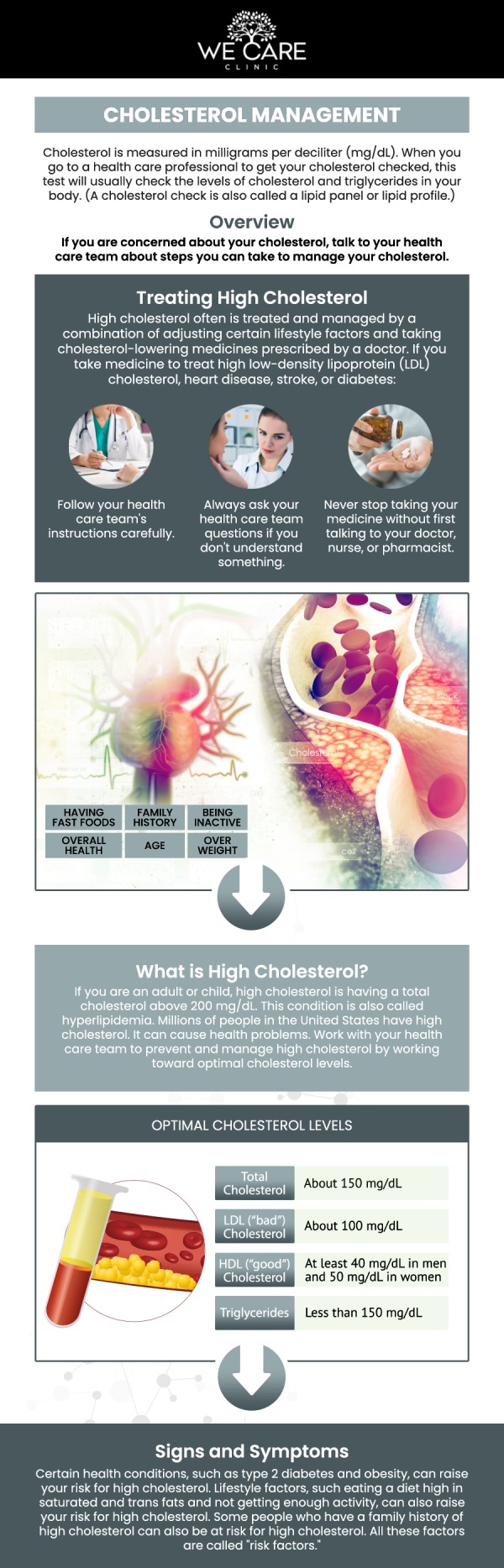
Table of Contents:
What causes high cholesterol?
What are the warning signs of high cholesterol?
Can you have high cholesterol without symptoms?
How often should cholesterol levels be checked?
What is the difference between LDL and HDL cholesterol?
How Do Dr. Shabnam Qasim, MD, and Nurse Practitioners at We Care Clinic Personalize High Cholesterol Treatment?
High cholesterol can develop when too much low-density lipoprotein, or LDL cholesterol, remains in the bloodstream. Although the liver naturally produces cholesterol for essential body functions, lifestyle habits, inherited traits, medical conditions, and certain medications may cause unhealthy cholesterol levels.
Common contributing factors include:
• Eating foods high in saturated or trans fats
• Limited physical activity
• Smoking
• Being overweight or having obesity
• A family history of high cholesterol
• Diabetes, kidney disease, or thyroid concerns
• Certain medications
• Age-related metabolic changes
Some people develop very high LDL cholesterol because of an inherited condition, even when they maintain healthy habits. At We Care Clinic in River Oaks, TX, our team evaluates your medical history, lifestyle, family history, and laboratory results to identify potential causes. We then develop a personalized cholesterol management plan focused on reducing cardiovascular risks and supporting long-term wellness.
High cholesterol usually does not cause noticeable warning signs. A person may feel healthy while elevated LDL cholesterol gradually contributes to fatty plaque accumulation inside the arteries. Because symptoms are typically absent, a blood test called a lipid panel is the most reliable way to identify unhealthy cholesterol levels.
In rare cases involving extremely high or inherited cholesterol levels, physical signs may include:
• Yellowish fatty bumps on the skin, known as xanthomas
• Cholesterol deposits around the eyelids
• A grayish-white ring around the cornea
• Early signs of restricted blood flow or cardiovascular disease
Chest discomfort, shortness of breath, or stroke-like symptoms may indicate complications associated with narrowed arteries rather than cholesterol itself. At We Care Clinic, our team offers cholesterol testing and preventive evaluations to detect elevated levels before serious cardiovascular complications develop.
You can have high cholesterol without experiencing any symptoms. High cholesterol is often considered a silent health concern because it may remain unnoticed for years. During that time, excessive LDL cholesterol can contribute to plaque formation, causing arteries to become narrower and increasing the risk of heart disease, heart attack, or stroke.
You may be more likely to have high cholesterol without knowing it when you have:
• A family history of high cholesterol or early heart disease
• Diabetes or another chronic medical condition
• Limited physical activity
• A diet high in saturated fat
• A history of smoking
• Excess body weight
Routine blood testing is essential because appearance and symptoms cannot confirm whether cholesterol levels are healthy. At We Care Clinic in River Oaks, TX, our team can review your risk factors, arrange appropriate cholesterol testing, explain your results, and recommend personalized steps to protect your cardiovascular health.
Most healthy adults should have their cholesterol levels checked every four to six years. However, the appropriate testing schedule depends on age, medical history, previous results, family history, and overall cardiovascular risk. A clinician may recommend more frequent testing when cholesterol levels are already elevated.
More frequent cholesterol testing may be appropriate for people with:
• Heart disease or a history of cardiovascular problems
• Diabetes
• High blood pressure
• A family history of high cholesterol
• Obesity or other cardiovascular risk factors
• Current cholesterol treatment
• Previously abnormal lipid panel results
At We Care Clinic, our team determines an appropriate screening schedule based on each patient’s individual health profile. We may include cholesterol testing as part of preventive care, an annual physical, or ongoing chronic condition management. Regular monitoring helps us evaluate changes over time and adjust lifestyle or medical recommendations when necessary.
Lipoproteins called HDL and LDL move cholesterol through the blood. Because too much low-density lipoprotein (LDL) can lead to plaque accumulation inside the arteries, LDL is frequently referred to as “bad” cholesterol. This accumulation may eventually limit blood flow and raise the risk of stroke and heart disease.
Because it aids in moving cholesterol from the arteries back to the liver, where it may be processed and eliminated from the body, high-density lipoprotein is frequently referred to as “good” cholesterol. In general:
• Lower LDL levels are usually preferred
• Higher HDL levels may provide cardiovascular protection
• Total cholesterol and triglycerides also help assess heart health
Cholesterol goals are not identical for every patient. At We Care Clinic in River Oaks, TX, our team evaluates the complete lipid panel alongside age, medical history, blood pressure, diabetes status, smoking history, and other cardiovascular risk factors before recommending a personalized management plan.
Board-certified internal medicine physician Dr. Shabnam Qasim, MD, and the experienced nurse practitioners at We Care Clinic personalize high cholesterol treatment by reviewing each patient’s lipid results, medical history, family history, lifestyle habits, and cardiovascular risk factors. Our team also considers concerns such as high blood pressure, diabetes, excess weight, smoking history, and previous cholesterol treatment before developing an individualized care plan.
Treatment may include nutrition guidance, physical activity recommendations, weight management support, medication management when appropriate, and regular cholesterol testing. Dr. Qasim and our nurse practitioners closely monitor LDL, HDL, triglycerides, and total cholesterol to evaluate progress and adjust care as needed. At We Care Clinic, our goal is to help each patient understand their results, reduce long-term heart health risks, and maintain healthier cholesterol levels through consistent, personalized medical support.
For more information, contact us or schedule an appointment online. We are conveniently located at 1011 Roberts Cut Off Rd, River Oaks, TX 76114. We serve patients from River Oaks TX, Sansom Park TX, Fort Worth TX, Saginaw TX, Haltom City TX, Benbrook TX and surrounding areas.

Check Out Our 5 Star Reviews


Additional Services You May Need
▸ Diabetes
▸ High Blood Pressure
▸ Heart Disease
▸ Annual Physicals
▸ COPD
▸ Primary Care
▸ Weight Loss
▸ Hormone Therapy
▸ IV Therapy
▸ Botox
▸ Fillers
▸ Allergy Testing
▸ Asthma
▸ Stroke
▸ Geriatric Care
▸ Depression & Anxiety
▸ Obesity
▸ Mental Health Evaluation
▸ Slim Shots
▸ Infusion Therapy
▸ Post Covid
▸ Low Testosterone
▸ Low-dose Naltrexone (LDN)
▸ Supplements and Nutrition
▸ Same-Day Primary Care
▸ Sick Visits
▸ Preventive Health Screenings

Additional Services You May Need
▸ Diabetes
▸ High Blood Pressure
▸ Heart Disease
▸ Annual Physicals
▸ COPD
▸ Primary Care
▸ Weight Loss
▸ Hormone Therapy
▸ IV Therapy
▸ Botox
▸ Fillers
▸ Allergy Testing
▸ Asthma
▸ Stroke
▸ Geriatric Care
▸ Depression & Anxiety
▸ Obesity
▸ Mental Health Evaluation
▸ Slim Shots
▸ Infusion Therapy
▸ Post Covid
▸ Low Testosterone
▸ Low-dose Naltrexone (LDN)
▸ Supplements and Nutrition
▸ Same-Day Primary Care
▸ Sick Visits
▸ Preventive Health Screenings




 Send Text
 How May I Help You?